
Commercial-Grade Portable Power Stations | Solar Electric Generator Solutions
Apr 13,2025 | JD-SmartLighting
I. Introduction
As energy resilience becomes a growing concern across Europe and North America, businesses are turning to portable power stations as a dependable solution for mobile and backup energy. Whether you’re running temporary outdoor operations, managing remote infrastructure, or preparing for power disruptions, a solar electric generator or battery-based power station offers unmatched flexibility.
For distributors, project managers, and industrial buyers, understanding the commercial potential and technical advantages of modern estaciones de energía portátiles is critical. This article explores the latest advancements in portable power, practical B2B applications, and key buying considerations for professional use.
II. What Is a Portable Power Station?
A portable power station is a compact, rechargeable power source equipped with lithium-ion or LiFePO4 batteries, designed to supply electricity to multiple devices or systems. Unlike traditional fuel-based generators, these units produce zero emissions, operate quietly, and often integrate with solar panels, forming a complete solar electric generator system.
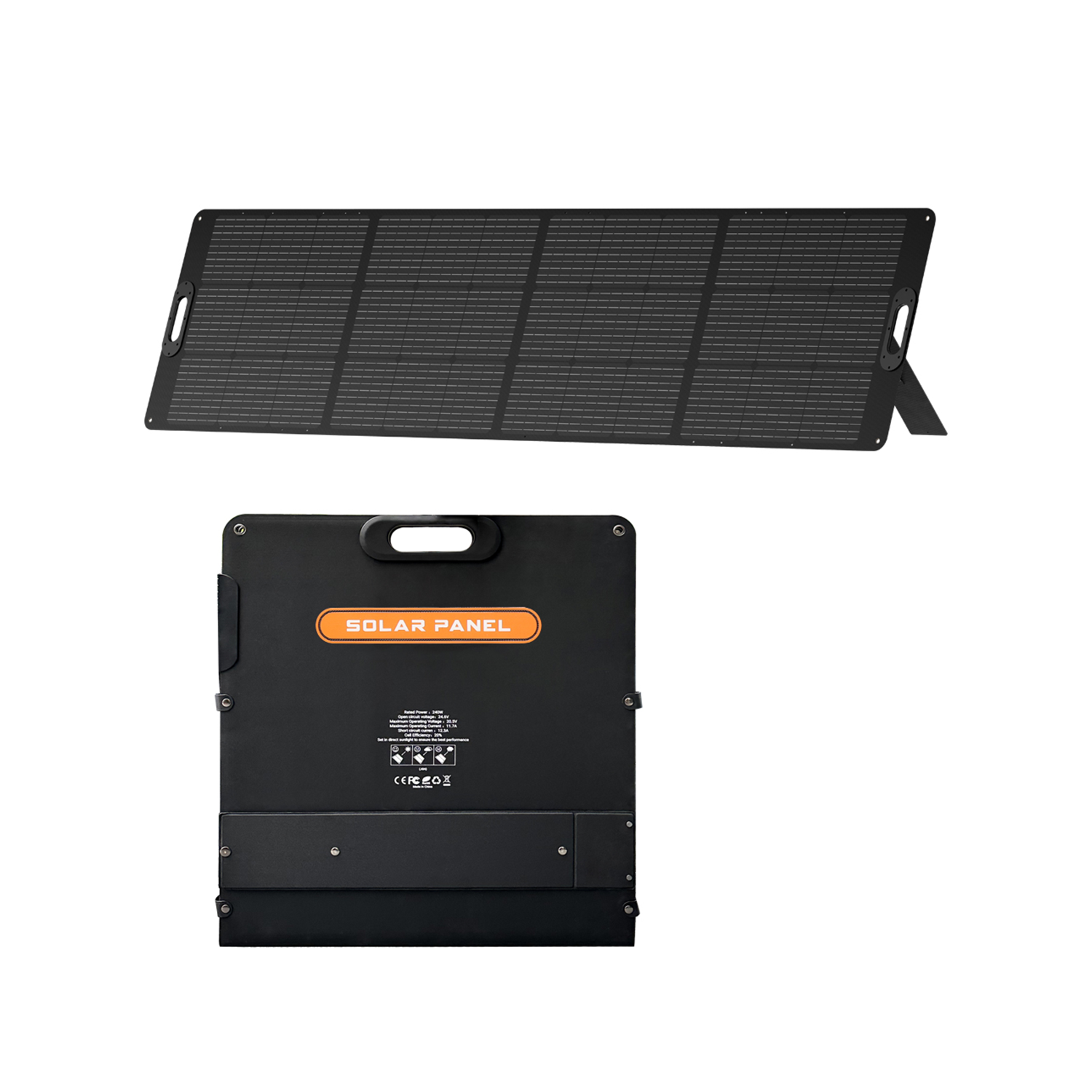
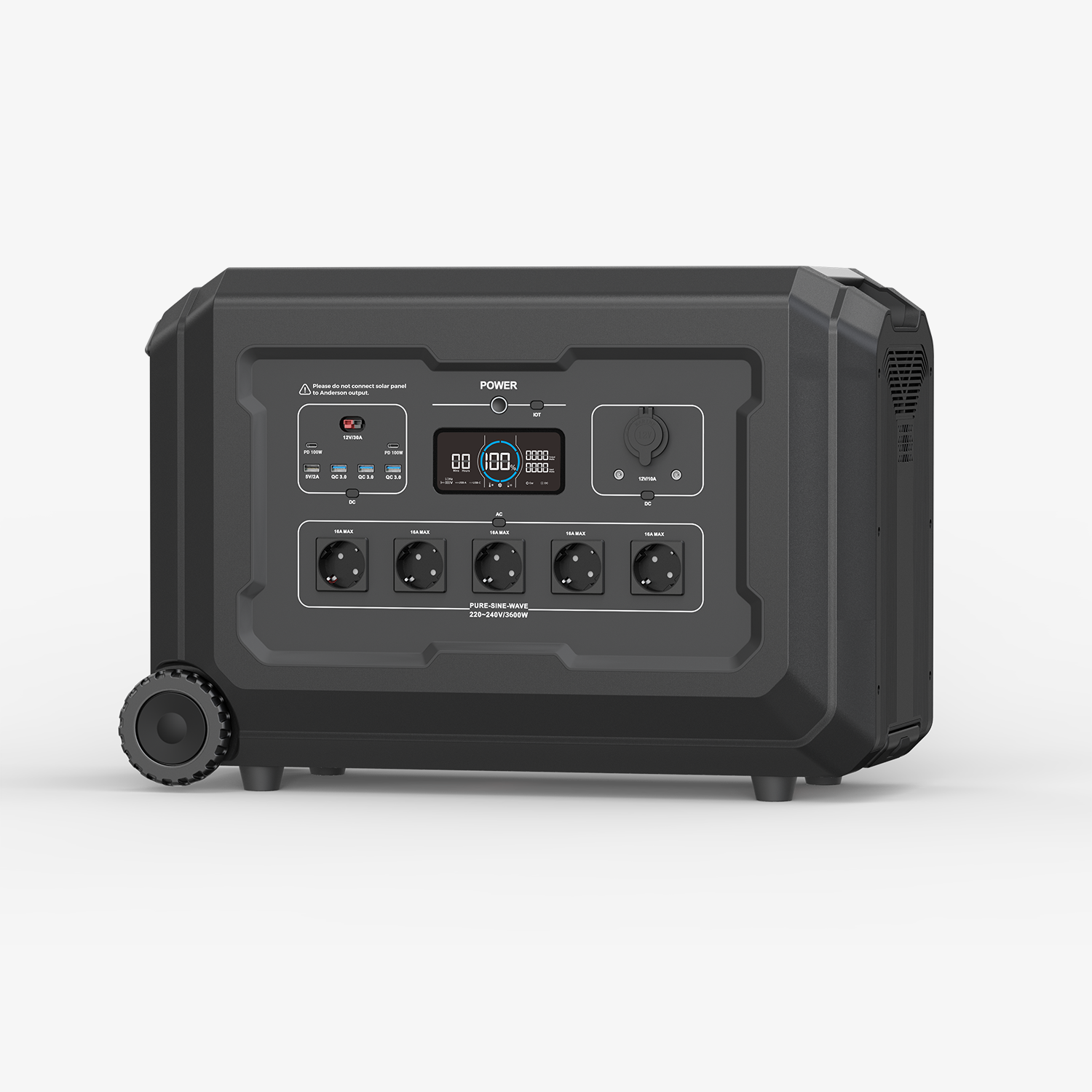
Modern power stations feature:
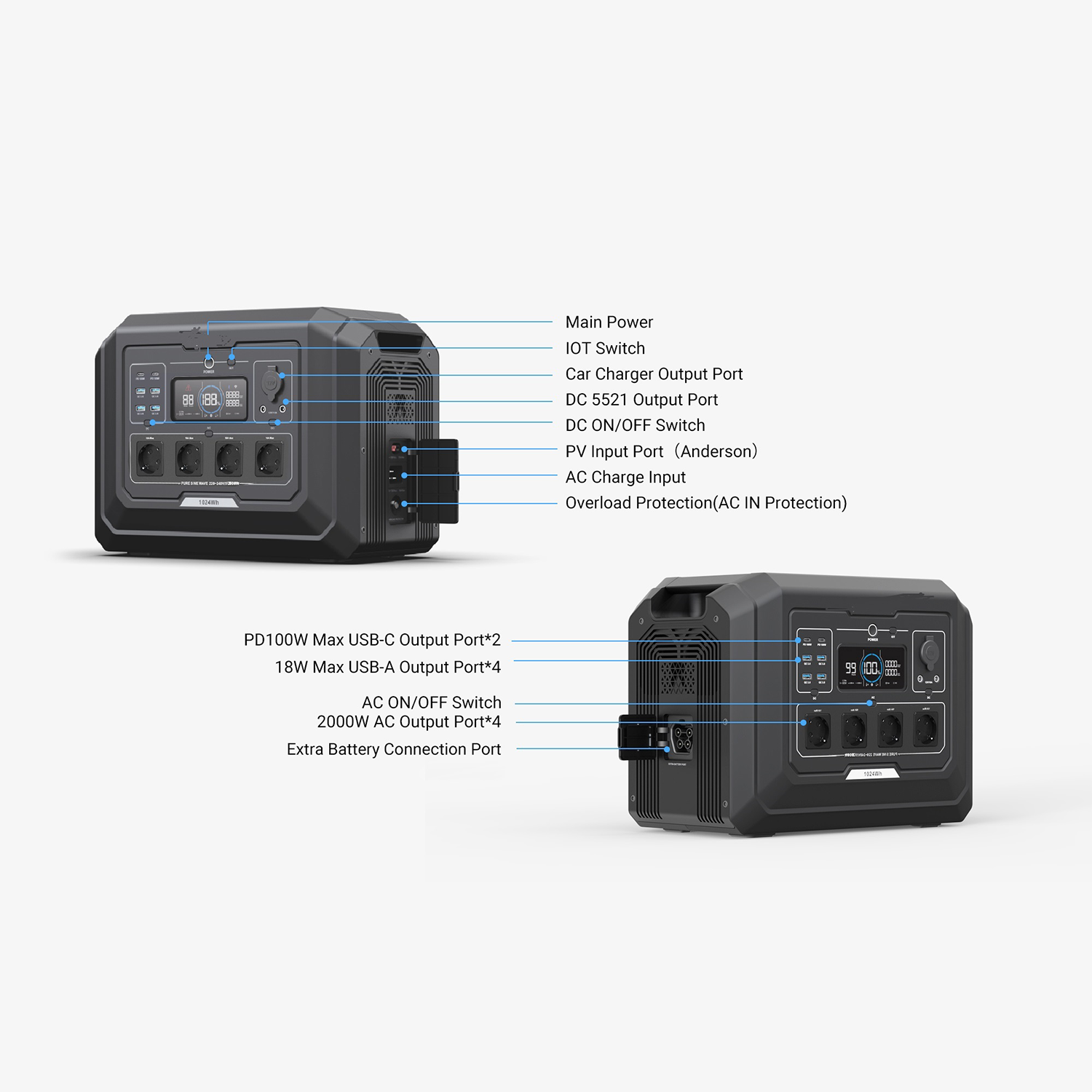
- AC and DC outputs
- USB-A/USB-C ports for electronics
- Pure sine wave inverters for sensitive equipment
- LCD displays for real-time monitoring
- Compatibility with solar input for off-grid charging
They range in capacity from 300Wh to over 3000Wh, allowing for everything from laptop charging to running heavy-duty tools.
III. Why Portable Power Makes Sense for Small Business Buyers
Energy Independence and Grid Resilience
For sectors like construction, events, disaster response, and telecommunications, energy access in remote or unstable environments is non-negotiable. Portable power stations provide instant, reliable power without reliance on diesel or local infrastructure.
Sustainability for ESG Initiatives
With environmental compliance and carbon reporting becoming more stringent across the EU and US, solar-integrated power stations offer a clean energy alternative aligned with corporate sustainability goals.
Cost Efficiency and Low Maintenance
Compared to traditional generators, battery-based units eliminate fuel costs, reduce maintenance cycles, and simplify logistics. Their long lifecycle—often over 2,000 recharge cycles—ensures long-term value.
Safe, Silent, and Scalable
No fumes, no noise. These features make them ideal for indoor workspaces, events, medical camps, and critical infrastructure. For enterprise deployments, multiple units can be combined in a modular approach to scale capacity.
IV. Top Industrial and Commercial Use Cases
Construction and Field Work
Power tools, sensors, lighting systems—even on job sites without grid access.
Event and Outdoor Services
Clean energy for sound systems, lighting, and mobile food setups.
Telecom and IT Infrastructure
Reliable backup during power outages or remote installations.
Emergency and Disaster Response
Essential for medical units, shelters, and first responders in crisis zones.
Retail and Mobile Commerce
Power POS systems, refrigeration, and mobile kiosks anywhere.
V. Buying Guide: What to Look for in a B2B Power Station
When sourcing estaciones de energía portátiles for commercial or resale purposes, consider:
- Battery Chemistry: LiFePO4 is safer, lasts longer, and handles temperature better than Li-ion.
- Output Ports and Power Rating: Match output wattage to actual industrial requirements.
- Solar Compatibility: Ensure solar input is MPPT-enabled for efficient solar charging.
- Certifications: CE, UL, FCC, and RoHS compliance is essential for EU/US markets.
- Custom Branding and OEM Options: For distributors and integrators, white label or OEM flexibility is key.
VI. Conclusion
As demand for mobile, sustainable energy grows, solar electric generators and portable power stations represent a scalable, clean, and business-ready solution. For wholesalers, commercial buyers, and institutional users, these technologies offer the performance, durability, and environmental compliance needed in today’s energy-conscious world.
Whether you’re sourcing for industrial operations or preparing to launch a private-label energy product, the market for estaciones de energia portatiles(estaciones de energía portátiles) is just beginning to surge—and now is the time to lead.
✅ Frequently Asked Questions (FAQ)
1. What is a portable power station?
A portable power station is a rechargeable battery-powered device that supplies electricity to various equipment. It’s ideal for off-grid use, backup power, or remote job sites.
2. How is it different from a traditional generator?
Unlike fuel-powered generators, portable power stations operate silently, require no gasoline, and produce zero emissions. They’re also safer for indoor or enclosed environments.
3. Can these power stations be used with solar panels?
Yes. Most modern power stations support solar charging via MPPT controllers, turning them into a solar electric generator for fully off-grid energy solutions.
4. What kind of businesses use portable power stations?
Construction companies, event organizers, telecom operators, medical teams, and emergency services use them for reliable, mobile power in diverse environments.
5. Are these units suitable for B2B wholesale or OEM?
Absolutely. Our power stations support OEM customization, private labeling, and bulk purchase options for distributors, installers, and commercial resellers.
6. What certifications are required for Europe or the U.S.?
Power stations should be certified with CE (EU), RoHS, FCC (US), and preferably UL for broader compliance and market acceptance.
7. How long do portable power stations last?
Depending on the battery type (Li-ion or LiFePO4), they can last up to 2,000–3,000 cycles, offering years of use with proper maintenance.
Comment